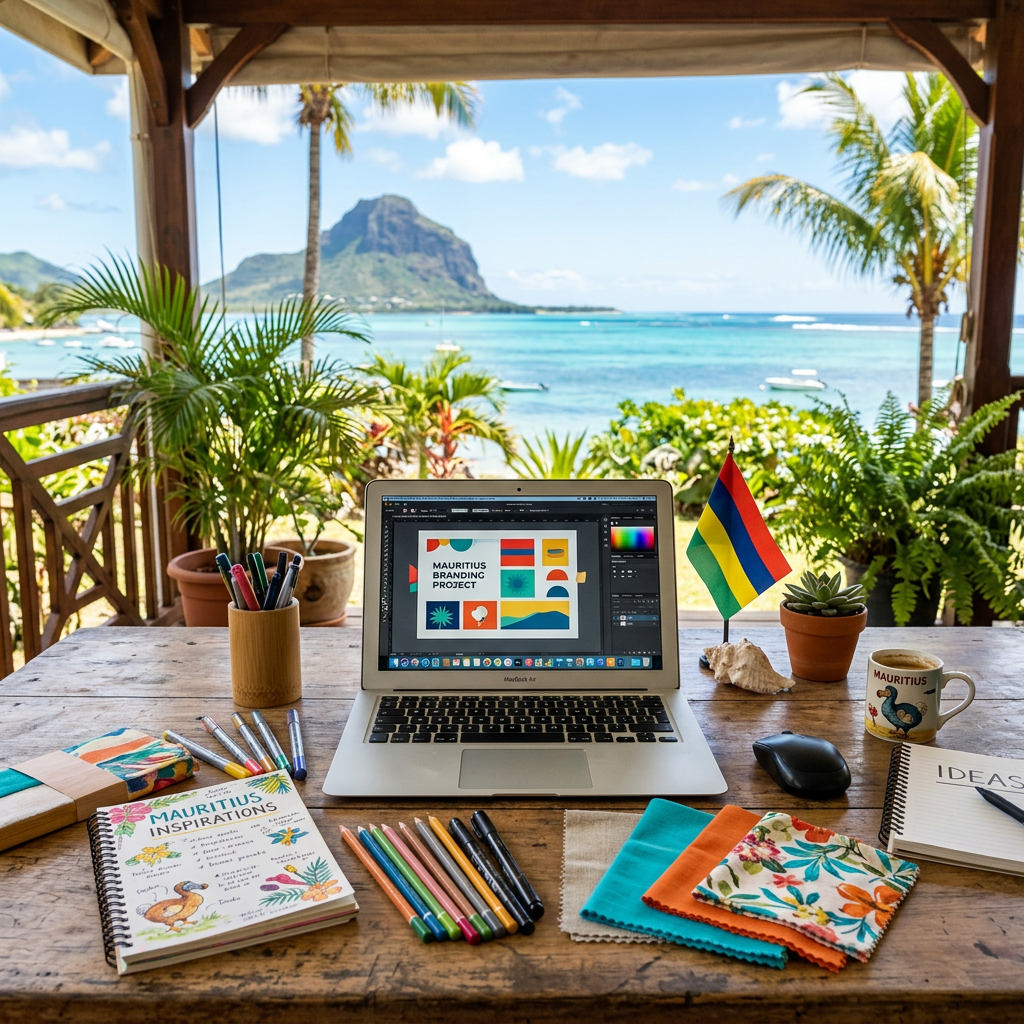
Blog Post: Graphic Design
Graphic Design for Businesses and SMEs in Mauritius: Why Visual Identity Is a Growth Strategy, Not a Luxury
Walk through any commercial area in Mauritius, from Port Louis to Grand Baie, and you’ll notice something quickly: some businesses catch your eye instantly, while others blend into the background despite offering perfectly good products or services. The difference often comes down to graphic design — the logos, colors, packaging, signage, and overall visual presentation that shape how a business is perceived before a single word is spoken.
For many small and medium-sized businesses in Mauritius, graphic design is still treated as an afterthought — something to sort out quickly and cheaply once the “real” business decisions are made. In reality, strong visual design is one of the most powerful, cost-effective tools an SME has to build trust, stand out from competitors, and communicate professionalism from the very first impression.
This post explores why graphic design matters so much for Mauritian SMEs, what good design actually involves, and how it connects to your broader marketing efforts.
Why Graphic Design Matters for SMEs in Mauritius
1. First Impressions Happen Instantly
Research consistently shows that people form judgments about a brand within seconds of seeing it — often before reading a single word. A poorly designed logo, mismatched colors, or an amateur-looking flyer can quietly undermine trust, even if the underlying product or service is excellent. In a competitive market like Mauritius, where customers often have multiple similar options to choose from, that first visual impression can determine whether they stop to learn more or move on immediately.
2. Good Design Builds Credibility
Whether it’s a restaurant menu, a company brochure, or a website banner, professional design signals that a business is established, serious, and trustworthy. Customers naturally associate visual polish with quality and reliability — even when, logically, the two aren’t always connected. For SMEs competing against larger, more established brands, strong design can help level that perception gap significantly.
3. Consistency Creates Recognition
One of the most overlooked benefits of professional graphic design is consistency. When your logo, color palette, typography, and overall style stay consistent across your storefront, packaging, social media, and website, customers begin to recognize your brand more easily — and recognition builds trust over time. A business with a different look on every platform, on the other hand, can come across as disorganized or unfamiliar, even to loyal customers.
4. Design Communicates Faster Than Words
A well-designed logo or piece of packaging can communicate quality, personality, and positioning almost instantly — value that would otherwise take paragraphs of text to explain. This is especially valuable in fast-moving environments like social media feeds or retail shelves, where you have only a second or two to capture attention.
Core Elements of Graphic Design Every SME Should Understand
Logo Design
Your logo is often the single most recognizable visual element of your brand. A strong logo should be simple, memorable, and versatile enough to work across different formats — from a tiny social media icon to a large storefront sign. Many SMEs make the mistake of choosing an overly complex or trendy logo that looks outdated within a year or doesn’t scale well across formats.
Color Palette
Colors carry psychological weight and cultural meaning, influencing how customers perceive a brand before they’ve even processed any text. A consistent, well-chosen color palette used across your website, packaging, and marketing materials helps reinforce brand recognition and can subtly communicate qualities like trustworthiness, energy, luxury, or affordability, depending on the choices made.
Typography
The fonts a business uses across its materials might seem like a minor detail, but typography plays a significant role in how professional or approachable a brand feels. Inconsistent or poorly chosen fonts — too many different styles, hard-to-read scripts, or generic default fonts — can quietly undercut an otherwise strong brand.
Marketing Materials
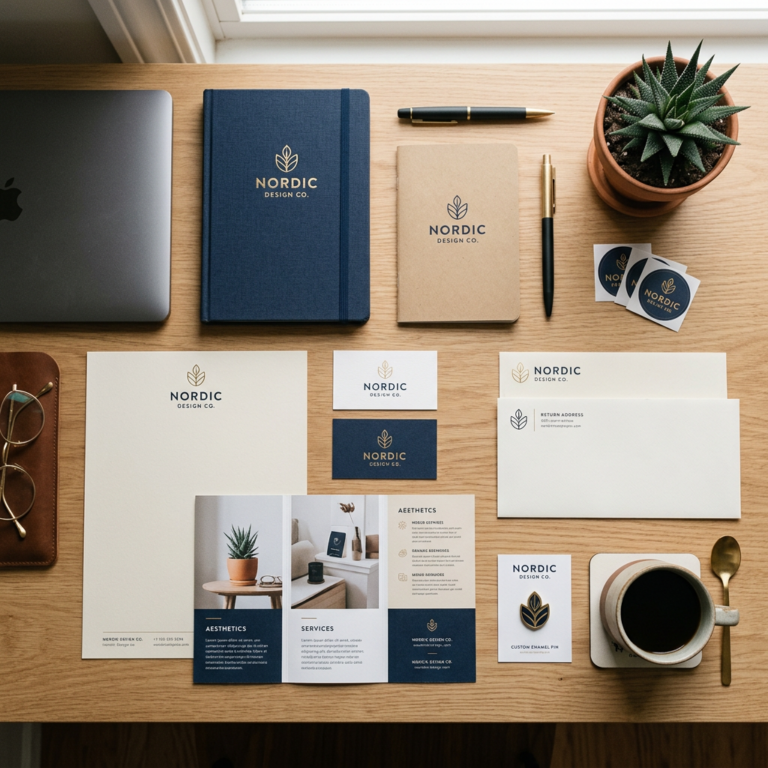
Flyers, brochures, business cards, and signage are often a small business’s most direct physical touchpoint with potential customers. Well-designed materials that align with your overall brand help create a cohesive, professional experience, whether a customer encounters your business online or in person.
Packaging Design
For product-based businesses, packaging is frequently the deciding factor at the point of sale, particularly in retail environments where customers are comparing multiple similar options side by side. Thoughtful packaging design can elevate even a modest product into something that feels premium and considered.
Digital Design Assets
Social media graphics, website banners, and digital ad creatives all fall under graphic design as well. Consistent, well-designed digital assets help maintain the same professional impression online that a business might already be creating in physical spaces.
Common Graphic Design Mistakes SMEs in Mauritius Make
Working across different local industries tends to reveal a few recurring patterns:
- Using free or generic design templates that look identical to countless other small businesses, offering little to no distinctiveness.
- Inconsistent visuals across platforms — a different logo version, different colors, or different fonts on the website versus social media versus printed materials.
- Overcomplicating logos with excessive detail that doesn’t scale well to small formats like social media icons or embroidered apparel.
- Ignoring brand guidelines entirely, leading to visual drift over time as different people create materials without a consistent reference point.
- Prioritizing trends over timelessness, resulting in a visual identity that quickly looks dated and requires frequent, costly redesigns.
- Treating design as a one-time task rather than an evolving, maintained asset that grows alongside the business.
Graphic Design and Brand Identity: Understanding the Difference
It’s worth clarifying a common point of confusion: graphic design and brand identity are related, but they’re not quite the same thing.
Graphic design refers to the individual visual assets — a logo, a flyer, a social media post. Brand identity is the broader, more strategic framework that determines how all of those individual pieces should look, feel, and communicate consistently. A brand identity typically includes guidelines around logo usage, color palettes, typography, tone of voice, and overall visual style, which then inform every individual piece of graphic design that follows.
This is why many growing SMEs eventually work with a brand identity agency rather than simply commissioning one-off design pieces as needed. Establishing a clear brand identity upfront makes every future design decision faster, more consistent, and more strategically aligned with how the business wants to be perceived.
How Graphic Design Connects to Your Broader Marketing Strategy
Graphic design rarely functions in isolation — it touches nearly every other part of a business’s marketing efforts:
- Website design: Your website should visually reflect the same branding as your other materials. A mismatch between your website design in Mauritius and your printed or social media materials can feel jarring and reduce trust.
- SEO and content marketing: Blog posts, infographics, and downloadable resources all perform better and feel more credible when supported by strong visual design, rather than plain, unstyled text and stock imagery.
- Paid advertising: The performance of paid ads in Mauritius, whether on Google or social platforms, is heavily influenced by the quality of the visual creative used. Even a well-targeted ad can underperform if the accompanying graphic looks unprofessional or fails to capture attention quickly.
- Social media marketing: Consistent, well-designed visual content helps a brand’s social presence feel intentional and recognizable, rather than scattered and reactive.
This interconnected nature is one of the main reasons many SMEs eventually choose to work with a full-service marketing agency in Mauritius, where design, website work, SEO, and advertising are handled together with a consistent visual and strategic thread running through all of it — rather than commissioning disconnected pieces from multiple, unrelated sources.
DIY Design vs. Hiring a Professional
Many small business owners start out designing their own materials, whether through free tools or simple templates, and for a very early-stage business on a tight budget, that’s a reasonable starting point.
That said, a few signs typically indicate it’s time to invest in professional design support:
- Your current visuals don’t reflect how far your business has grown or the quality of what you actually offer.
- You’re noticing inconsistency across your different platforms and materials.
- Competitors’ branding looks noticeably more polished and professional than yours.
- You’re investing in advertising or content but not seeing the engagement or conversions you’d expect.
- You don’t have a clear, documented set of brand guidelines that others on your team can follow consistently.
A skilled graphic designer in Mauritius, ideally one familiar with local market preferences and consumer behavior, can help translate a business’s values and positioning into a visual identity that resonates specifically with local customers, rather than relying on generic, one-size-fits-all templates.
Practical Steps to Improve Your Business’s Design Today
Even without a full rebrand, there are meaningful steps SMEs can take right away:
- Audit your current visuals across every platform — website, social media, printed materials, packaging — and note any inconsistencies.
- Simplify an overly complex logo if it doesn’t scale well to small formats like app icons or embroidery.
- Choose two or three core brand colors and apply them consistently everywhere, rather than varying colors project by project.
- Standardize your typography to one or two fonts used consistently across all materials.
- Create a simple, one-page brand guide documenting your logo usage, colors, and fonts so anyone creating materials on your behalf stays consistent.
- Review your packaging or storefront presentation with fresh eyes, ideally by asking someone unfamiliar with the business for honest feedback.
Final Thoughts
For SMEs and entrepreneurs in Mauritius, graphic design isn’t simply decoration — it’s a strategic asset that shapes first impressions, builds trust, and creates the kind of consistent recognition that keeps customers coming back. In a market where competition is increasingly visual, whether online or in person, the businesses that invest thoughtfully in their design and overall brand identity put themselves in a far stronger position to stand out and grow sustainably.
Whether you’re refining an existing visual identity or starting from scratch, treating graphic design as an ongoing, strategic priority — rather than a one-time task — lays a stronger foundation for every other part of your marketing, from your website to your advertising to your everyday customer interactions.
Share this post